
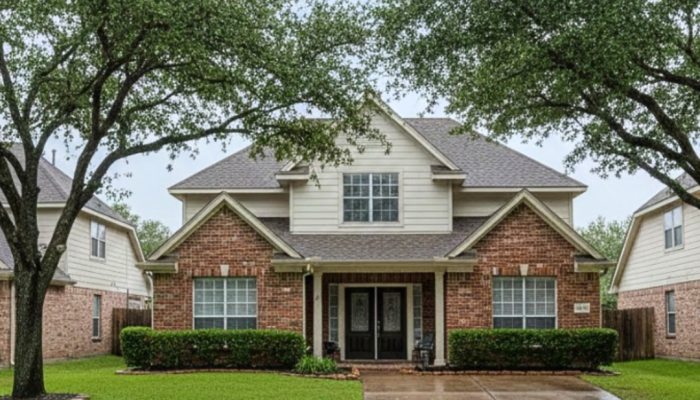
Houston homes often struggle with pest problems after rain because heavy rainfall floods outdoor nesting areas, increases moisture, and forces pests to move indoors. The city’s warm temperatures, high humidity, and frequent storms create ideal conditions for insects and rodents to stay active year-round.
After rain, pests do not appear randomly. They are responding to environmental pressure and searching for dry shelter, food, and water. Homes provide all three.
Pest problems after rain in Houston are especially common due to frequent storms and moisture-heavy conditions.
Why Rain Triggers Pest Activity in Houston
Rain does not create pests, but it disrupts where they live.
Heavy rainfall floods soil, mulch beds, and underground nests. When this happens, pests move quickly to higher ground. In many cases, that higher ground is inside a home. Entry points around foundations, plumbing lines, and doors become easy access points when moisture is high.
Rain also increases humidity, which helps pests survive longer and stay active.
Houston’s Climate Makes the Problem Worse
Houston’s climate intensifies pest pressure after rain.
Warm temperatures mean pests do not slow down seasonally. High humidity keeps insects from drying out. Frequent storms repeatedly disturb outdoor habitats, forcing pests to relocate again and again.
Local conditions that make post-rain pest issues worse include clay soil that drains poorly, sudden downpours instead of steady rain, and long mosquito seasons that last most of the year.
Common Pests Houston Homeowners See After Rain
Ants and Fire Ants
Rain floods ant colonies, causing ants to relocate quickly and in large numbers. This often leads to ants entering kitchens, bathrooms, and wall voids within hours of a storm. Persistent ant activity after rain often requires targeted ant control in Houston to prevent colonies from settling indoors.
Cockroaches
Cockroaches thrive in moisture. After rain, they move indoors through drains, plumbing penetrations, and small gaps along foundations. Even clean homes can see activity because moisture is the main driver.
Mosquitoes
According to Texas A&M AgriLife, mosquito populations often increase rapidly after heavy rainfall because standing water creates ideal breeding conditions.
Rodents
Heavy rain collapses burrows. Rodents seek shelter in garages, attics, and crawl spaces when their outdoor nesting areas flood.
Why Some Houston Homes Have More Pest Problems After Rain
Not all Houston homes experience the same level of pest pressure after rain.
Homes are more vulnerable when drainage is poor or moisture collects near the foundation. Clogged gutters, standing water in the yard, cracks in slab foundations, and older plumbing penetrations all increase risk.
Neighborhoods with dense development and limited drainage tend to see higher pest activity after storms.
A professional pest inspection can help identify why certain homes experience repeated problems after every major rain event.
What Homeowners Can Do After Heavy Rain
Reducing pest pressure after rain starts with moisture control.
Clear standing water as soon as possible. Clean gutters and downspouts so water flows away from the home. Seal visible cracks and gaps around doors, foundations, and utility lines. Avoid overwatering lawns once rain has passed.
Rain often exposes weak points that pests were already using or waiting to exploit.
Why Professional Pest Control Matters After Rain
Post-rain pest activity is often a sign of underlying issues, not a one-time event.
A professional inspection can identify hidden entry points, moisture conditions that attract pests, and nesting areas close to the home. Treatments are most effective when paired with exclusion and moisture management, especially in Houston’s climate.
FAQ
- Why do bugs come inside after rain in Houston? Heavy rain floods outdoor nests and increases humidity, forcing pests to move to higher, drier areas. Homes provide shelter, moisture, and stable temperatures, which makes them an easy target after storms.
- Are pest problems after rain a sign of an infestation? Not always, but repeated activity after rain can indicate underlying issues. Entry points, moisture buildup, or nearby nesting areas often allow pests to return after every storm if not addressed.
- How soon after rain should pest control be done? Pest activity often increases within hours or days after heavy rain. Scheduling service soon after storms helps stop pests before they establish nests indoors or spread further through the home.
- Do pest problems after rain usually go away on their own? Some pest activity may decrease as outdoor areas dry, but many pests will remain indoors once they find shelter and food. Without addressing entry points and moisture issues, pests often return after the next rain event.
- Can heavy rain expose hidden pest entry points? Yes. Heavy rain can reveal cracks, gaps, and weak seals around foundations, doors, and plumbing lines that pests use to enter homes. Moisture also softens soil and materials, making it easier for pests to exploit existing openings.