
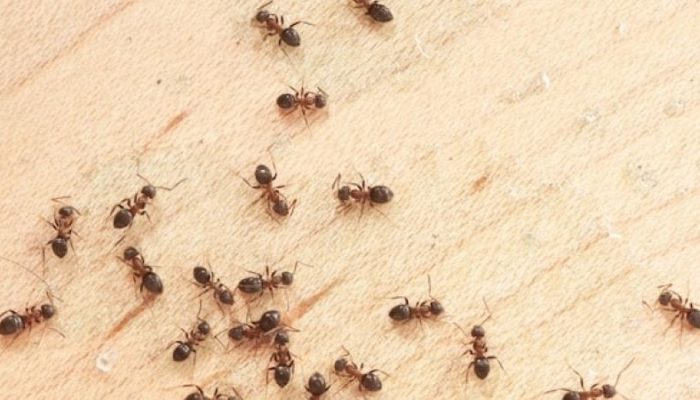
Do you keep finding ants in your kitchen, around your bathroom sink, or marching along your baseboards? If so, you’re probably wondering where they’re coming from and why they keep showing up.
An ant infestation in your house can happen at any time of year, especially in Southeast Texas, where warm temperatures allow many ant species to remain active for much of the year. And although you can’t completely seal your home off from the outside world, you can make it a lot less inviting to these tiny intruders.
The first step is understanding what’s attracting them. Below, EnviroCon Pest Control explains five common reasons ants keep finding their way indoors, along with practical ways to address the problem.
Why Do Ants Keep Coming Into Your House?
Ants are resourceful little scavengers. Once worker ants discover a reliable food or water source, they leave chemical trails that guide other members of their colony to the same location. Before long, a few ants wandering across your counter can turn into a steady stream.
Weather can also influence their behavior. Heavy rainfall may flood outdoor nesting areas, while prolonged heat or dry conditions can send ants searching for moisture. During these periods, you might notice increased activity around doors, windows, and plumbing fixtures.
But that’s not all – the conditions inside your home often determine whether those visitors stick around.
1. You’re Leaving Out Food
- Why it’s bad:Just like any other living species, ants need food and water to survive. Crumbs, uncovered snacks, and even pet food can attract foraging ants. This is one of the main causes of ant infestations, but luckily, it’s also one of the easiest to fix.
- What you can do:Clean up crumbs and spills promptly, store pantry items in airtight containers, and refrigerate ripe fruit when possible. Don’t forget pet food bowls, either. Pick up uneaten food and wipe down the surrounding area after mealtime.
2. You Have Greasy Surfaces
- Why it’s bad: Sugar isn’t the only thing ants are after. Certain species also seek out fats, oils, and proteins. Grease splatters around your stove or residue on food containers can provide another reason for ants to visit your kitchen.
- What you can do: Wipe down your stovetop after cooking, especially when preparing greasy foods. Clean the outside of honey bottles, syrup containers, and condiment jars, and pay attention to the spaces behind appliances, where food residue can accumulate.
3. You Have Sticky Garbage
- Why it’s bad: Your trash can may look empty enough, but ants have no trouble finding the sticky residue left behind by discarded food and drink containers. An uncovered garbage bin can become a dependable food source for nearby ant colonies.
- What you can do: Use trash cans with secure lids and clean them regularly. Rinse sticky containers before throwing them away, and take out kitchen garbage frequently. If ants are gathering around outdoor bins, move them away from exterior doors when possible.
Your Pipes and Faucets are Leaking
- Why it’s bad: Food isn’t the only attraction. Ants also need moisture, and a dripping faucet or slow plumbing leak can provide a reliable water supply. Damp areas beneath sinks, around toilets, and near appliances may encourage ants to explore your home.
- What you can do: Check plumbing fixtures for leaks and repair problems promptly. Dry wet surfaces, address condensation around pipes, and make sure windows are properly sealed. If you notice damp spots that won’t dry out, investigate the source rather than repeatedly wiping them away.
You Have Decaying Wood Around Your Home
- Why it’s bad: Carpenter ants often establish nests in damp or damaged wood. Unlike termites, they don’t eat wood. Instead, they excavate galleries inside it to create nesting spaces. Over time, this activity can contribute to structural damage.
- What you can do: Repair moisture-damaged wood, remove rotting tree stumps and fallen branches, and keep firewood stored away from your home’s exterior. Address roof leaks, drainage problems, and other moisture issues that could make wooden structures attractive nesting sites.
Common Ant Species Found in Southeast Texas Homes
Not every ant crawling through your kitchen belongs to the same species. Houston-area homeowners may encounter several ant types, and knowing which one you’re dealing with can make a difference in how the infestation is treated.
Odorous House Ants
These small, dark-colored ants often appear around kitchens, bathrooms, and other areas where food or moisture is available. They’re known for producing an unpleasant, rotten-coconut-like odor when crushed. Odorous house ants can establish multiple nesting sites, making recurring activity especially frustrating.
Carpenter Ants
Carpenter ants are generally larger than many common household ants. They’re particularly concerning when activity occurs around damp wood, window frames, or wall cavities. Their presence doesn’t automatically mean your home has structural damage, but repeated sightings warrant a closer look.
Pavement Ants
Often found nesting beneath sidewalks, driveways, and foundation edges, pavement ants may enter homes through small cracks while searching for food. You might notice them marching along baseboards or around ground-level entrances.
Fire Ants
Fire ants are especially common in Southeast Texas yards. Their outdoor mounds can create problems for homeowners, children, and pets because these ants can deliver painful stings. Although they typically nest outside, they may occasionally enter structures while foraging or seeking shelter.
How Can You Tell If You Have an Ant Infestation?
Seeing one or two ants doesn’t necessarily mean there’s an entire colony inside your house. However, certain warning signs suggest the problem may be more established than it appears.
Watch for these clues:
- Consistent ant trails: Groups of ants following the same route along countertops, baseboards, or walls.
- Activity around small openings: Ants repeatedly entering or exiting cracks near foundations, windows, or plumbing.
- Discarded wings: Piles of wings near windowsills or light fixtures may indicate reproductive ants have been present.
- Sawdust-like debris: Small piles of wood shavings or insect fragments near wooden structures can indicate carpenter ant activity.
- Recurring sightings: Ants returning to the same area despite regular cleaning.
If you notice discarded wings, don’t automatically assume they’re from ants. Termite swarmers can leave similar evidence, and the two pests require different treatment approaches.
How Do Ants Find Their Way Inside?
Ants don’t need an open door to enter your home. Some species can squeeze through surprisingly small gaps, including cracks around doorframes, utility lines, and foundation joints.
Tree branches and shrubs touching exterior walls may also provide convenient routes toward windows and rooflines. Once ants find an opening, their scent trails help other worker ants follow.
If you spot a trail, try watching where the ants travel instead of immediately wiping them away. You may be able to trace their route toward a window, exterior opening, or outdoor nesting area. That information can help a pest control professional locate the source of the problem.
How to Tell Ants Apart From Termites
Ants and termites can look surprisingly similar, especially when they’re swarming. However, there are a few distinguishing features worth knowing.
Ants have narrow, pinched waists and elbowed antennae. Termites generally have broader waists and straighter antennae. When wings are present, flying ants typically have larger front wings, while termite swarmers have four wings of roughly equal length.
These differences can be difficult to spot without a close look. If you’re finding winged insects indoors or noticing activity around damaged wood, professional identification is the safest way to determine what you’re dealing with.
Do Ant Baits Work for Household Infestations?
Ant baits can be useful because they take advantage of the insects’ natural foraging behavior. Worker ants collect the bait and carry it back to their colony, potentially reaching ants that remain hidden inside walls, beneath floors, or outdoors.
However, the right bait depends on the species and what the ants are currently eating. Some prefer sugary foods, while others are more interested in proteins or fats.
If you’re using a labeled household ant bait, follow the manufacturer’s directions and place it where ants are actively traveling, provided the location is permitted by the label. Keep bait stations away from children and pets.
You may initially see more ants gathering around the bait. Avoid disturbing them or spraying nearby, as doing so can interfere with the baiting process.
Why Do Ants Sometimes Return After Spraying?
It can be tempting to grab a can of insect spray when ants appear on your kitchen counter. The problem is that killing the ants you can see doesn’t necessarily address the colony responsible for sending them inside.
Most of the colony may remain hidden, allowing new workers to replace those eliminated by surface treatments.
Certain ant species can also respond poorly to repellent products. Disturbing their nesting areas may cause colonies to split or relocate, potentially spreading activity to other parts of the property.
That’s why proper identification matters. A treatment that works for one species may be ineffective or counterproductive for another. Avoid applying pesticides in areas or ways not specifically permitted by the product label.
When Should You Call a Pest Control Professional?
Cleaning, sealing openings, and addressing moisture can make your home less attractive to ants. But sometimes, the problem continues despite your best efforts.
Consider scheduling a professional inspection if:
- Ants keep showing up, even after you’ve cleaned up food and crumbs.
- You think ants might be nesting somewhere inside your walls or cabinets.
- You’re finding large carpenter ants or small piles of sawdust near wood.
- You’re seeing ants in several rooms throughout your home.
- You’ve tried getting rid of them yourself, but they keep coming back.
- Professional pest control companies can identify the species, locate likely nesting areas, and recommend treatments suited to the infestation. This is particularly important when hidden colonies or moisture-damaged wood may be involved.
Get Professional Help With Your Ant Problem
Still seeing ants despite your best efforts? EnviroCon Pest Control can help.
Our team knows the ant species commonly found throughout Greater Houston and how to deal with them. We’ll inspect your property, figure out where the activity is coming from, and recommend a treatment based on what we find.
We also understand that your family’s safety comes first. Our technicians use targeted treatments and explain any precautions you should take around children and pets.
Ready to get your ant problem under control? Request an instant quote today and find out how EnviroCon can help.